
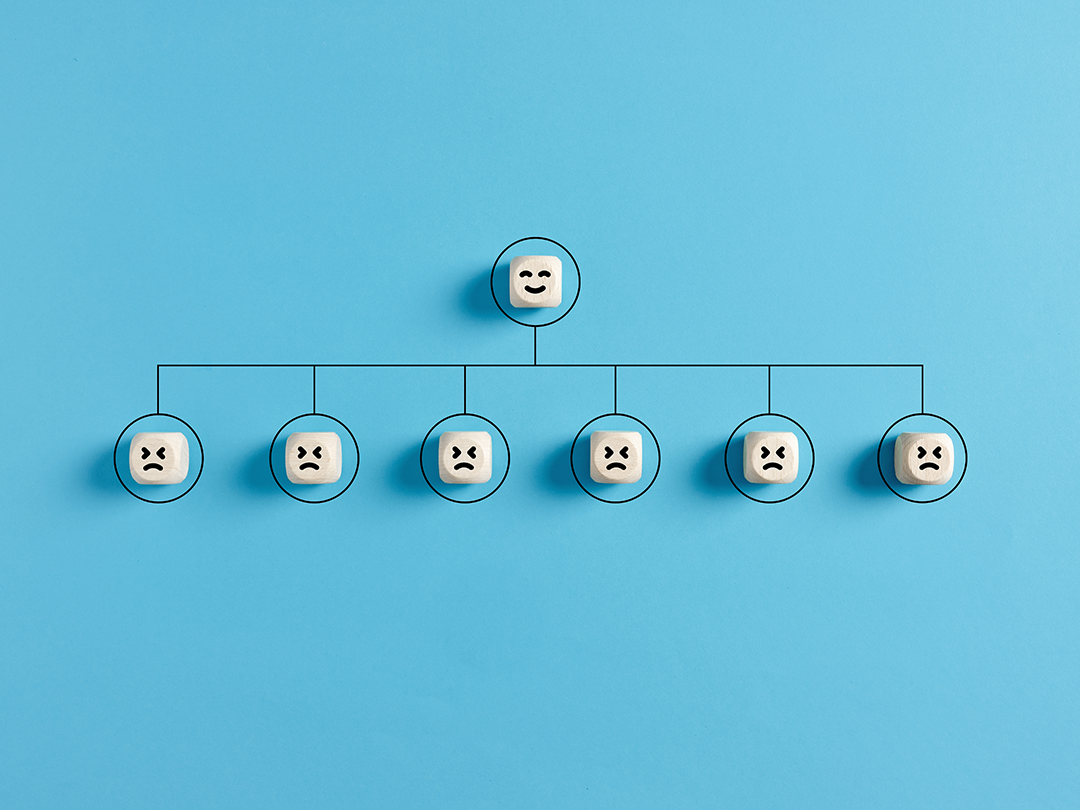
A generation ago, leadership was largely judged on delivery. Did you hit the numbers? Did the project land?
Today, that's still on the table — but alongside it sits retention, trust, team health and emotional intelligence. The delivery bar hasn't moved. Everything else has been added on top of it.
The trade-off that was never real
For years, organisations treated performance and psychological safety as a tension to manage. Push too hard and you risk burnout. Prioritise wellbeing and you risk complacency. Pick your poison.
But that framing is increasingly difficult to defend.
What's emerging from enterprise leadership development is something more nuanced: psychological safety and high performance aren't in opposition. They're connected. Teams that feel genuinely safe to speak up tend to challenge poor decisions earlier, surface risks before they escalate, bring alternative thinking into the conversation and engage more meaningfully with strategy.
The inverse is also true. Without that safety, leaders get filtered information. And filtered information, however confidently it's delivered, leads to worse decisions.
What pressure does to leadership behaviour
Under real pressure, default behaviours surface. Leaders get more directive. They listen less. They react defensively. They optimise for this quarter at the cost of the next.
These patterns erode trust quietly — and consistently. People notice, even when nothing is said.

High-performance leadership now requires something more structured: clear performance rhythms, genuine coaching capability, emotional intelligence and consistent behavioural expectations. Not charisma. Not seniority. Skill.
Why coaching culture has become a performance conversation
The organisations investing seriously in coaching culture are seeing the results show up in ways that matter — stronger retention, better cross-functional collaboration, sharper execution and teams that are actually aligned on strategy rather than just compliant with it.
Modern leadership capability is less about the inspiring speech and more about what happens in the everyday conversations that shape how people perform. That's where the real work is.

The question that's worth asking directly
Can your leaders drive performance, hold engagement, navigate genuine ambiguity and protect culture — at the same time, under pressure?
Because in 2026, that's the capability that determines outcomes. It's not a soft investment. It's a structural variable in how well your organisation actually performs.